Social Distortion
Descendents
The Chats
The Chats
Fox Theater
Oakland,
CA

Another Planet Entertainment
Live music in the Bay Area and beyond
This event is all ages.
All doors & show times subject to change.
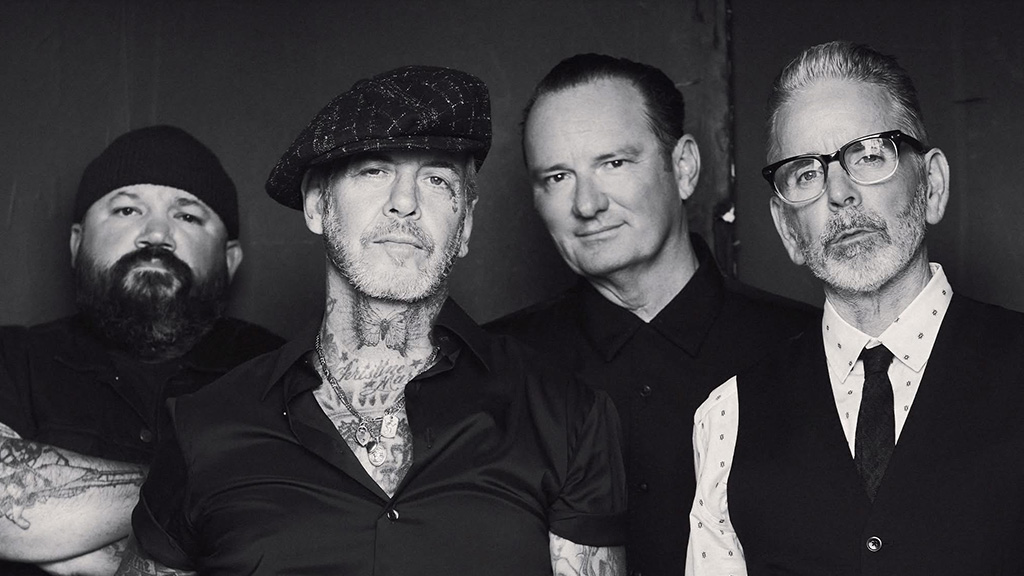
Orange County’s Social Distortion returns with its first album in 15 years with Born to Kill. Armed with 11 urgent songs, Mike Ness continues to build on the mystique that Social Distortion is more than just a punk band. Throughout the collection, Ness revisits the sounds of the 1970s, his formative adolescent years. Born to Kill is a continuation of the bar of excellence that Social Distortion and, in turn, Ness has long been praised for.
Born to Kill is a body of work that will live long in the Social Distortion catalog. Songs like the hard-charging title track that serves as the album’s mission statement, along with the riff-laden “Partners in Crime,” the nostalgic “The Way Things Were,” and rollicking “Tonight” are songs that fit in across any of Social Distortion’s various eras. Now nearly five decades into its career and with a remarkable catalog spanning nearly three generations, Social Distortion has no intention of slowing down any time soon.
Since first emerging from (and defining) the Southern California pop-punk scene in 1978, the legendary Descendents have released classic after classic, from their landmark 1982 LP Milo Goes to College to 2016’s Hypercaffium Spazzinate. Now, after issuing a flurry of singles to get fans through the past few years, the band — Milo Aukerman (vocals), Bill Stevenson (drums), Stephen Egerton (guitar), and Karl Alvarez (bass) — will be touring in support of a new album. With a very cool twist.
What started with Milo Goes to College now comes full circle on the blistering 9th & Walnut (Epitaph), a “lost album” quietly recorded in 2002 by the MGTC lineup of Stevenson, Aukerman, Tony Lombardo on bass, and Frank Navetta (d. 2008) on guitar. Audiences should be geared up for shows featuring songs spanning Descendents’ incredible career, from “Suburban Home” and “Silly Girl” to “I’m the One” and “Without Love,” and including 9th & Walnut tracks like first single “Baby Doncha Know” and its incendiary follow-up, “Nightage.”